
Best Gypsum Board in Nepal: Complete Buying Guide (2026)
If you’re building or renovating a home, office, or commercial space in Nepal, you’ve probably run into the same question every contractor and homeowner asks: which gypsum board should I actually buy? With so many brands, thicknesses, and price points on the market, picking the right one isn’t always obvious. This guide breaks down what gypsum board is, the types available in Nepal, and exactly what to check before you buy — so you end up with a ceiling or wall that lasts.
What Is Gypsum Board and Why It’s Used So Widely
Gypsum board (also called plasterboard or drywall) is a panel made from a gypsum plaster core sandwiched between two layers of paper. It’s become the standard choice for false ceilings and partition walls across Kathmandu, Pokhara, Chitwan, and beyond because it’s lightweight, quick to install, gives a smooth paint-ready finish, and offers natural fire resistance — the water trapped in the gypsum core turns to steam under heat, slowing fire spread.
Types of Gypsum Board Available in Nepal
Not all gypsum boards are built for the same job. The main types you’ll come across:
- Standard board – general-purpose, used for most interior walls and ceilings
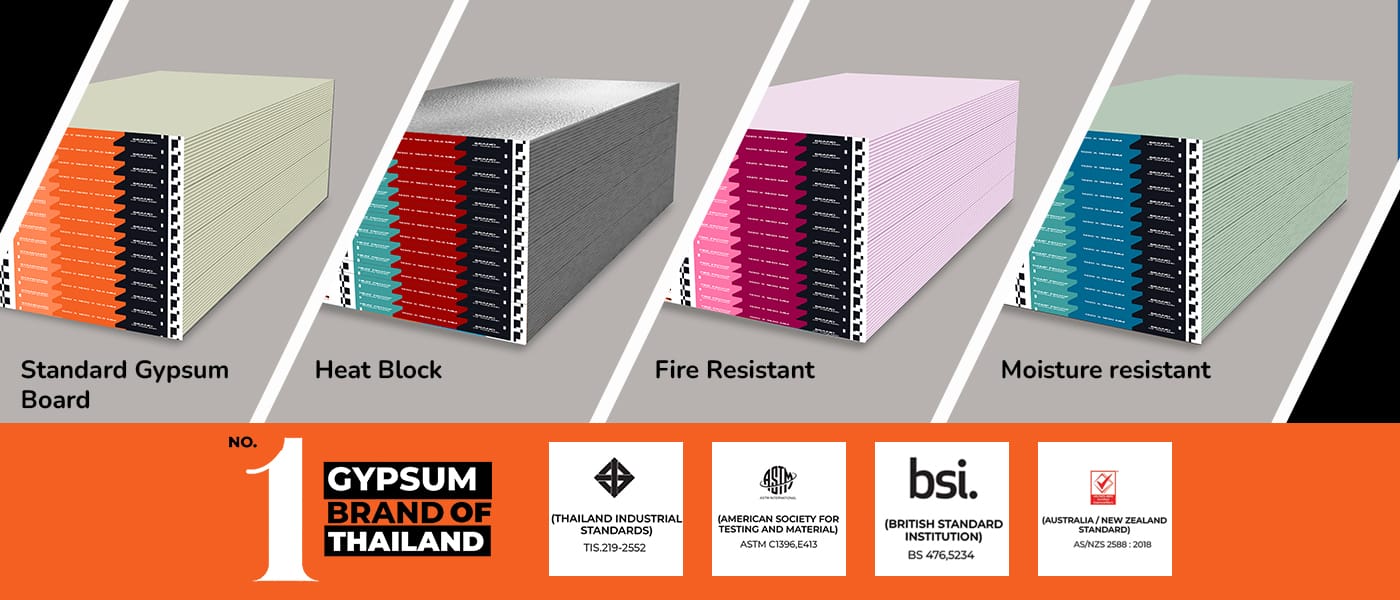
- Moisture-resistant (MR) board – treated core and green facing paper, suited for kitchens, bathrooms, and humid areas
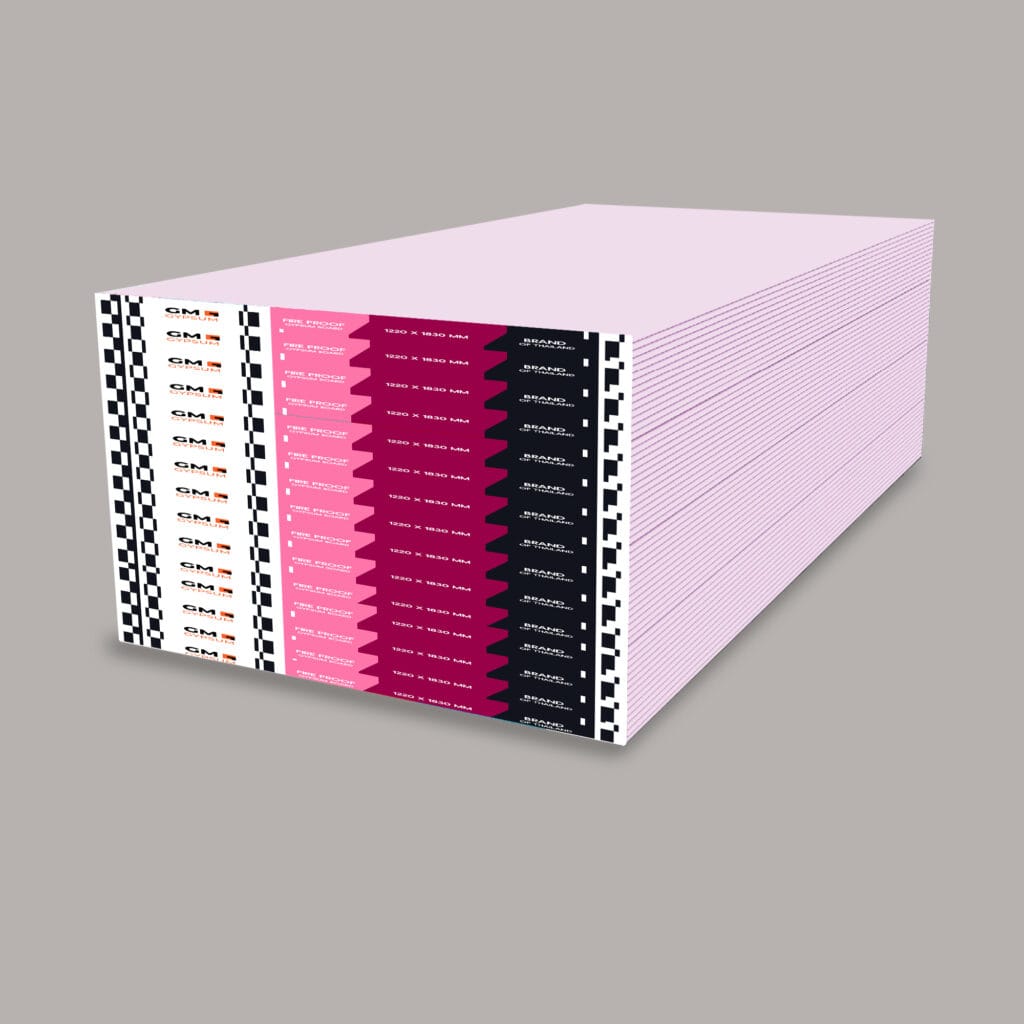
- Fire-rated (FR) board – denser glass-fiber reinforced core for extra fire resistance in commercial spaces
- Acoustic/soundproof board – layered construction to reduce sound transmission between rooms
How to Choose the Best Gypsum Board in Nepal
Before comparing prices, check these five things — they matter more than the price tag:
- Certification – Look for boards certified to recognized standards (Thai TIS, British, American, or Australian/NZ standards). Certification tells you the board has actually been tested for strength and fire performance, not just claimed.
- Core density and weight – A heavier, denser core generally means better sag resistance and durability over time.
- Edge type – Tapered edges (RE) make for smoother, near-invisible joints after finishing; square edges (SE) are more common in basic partition work.
- Moisture resistance – If it’s going into a kitchen, bathroom, or Nepal’s monsoon-humid regions, don’t settle for standard board — pay the small premium for MR board.
- Dealer support – A dealer who can also supply matching T-grids, metal profiles, fibre tape, and screws saves you from mismatched systems and callback issues later.
What Affects Gypsum Board Price in Nepal
Gypsum board price in Nepal isn’t one fixed number — it moves based on:
- Thickness (9mm, 12mm, 15mm) — thicker boards cost more but span better and resist sagging
- Type — moisture-resistant and fire-rated boards cost more than standard board
- Board size — larger sheets reduce joints but may cost more per piece
- Brand and import origin — internationally certified imported boards are typically priced higher than uncertified local stock
- Quantity — bulk orders for full projects usually get better per-square-foot rates from distributors
If you’re budgeting a project, it’s worth asking your dealer for gypsum board price per square foot rather than per sheet — it makes comparing across thicknesses and brands much easier.
Top Gypsum Board Options in Nepal
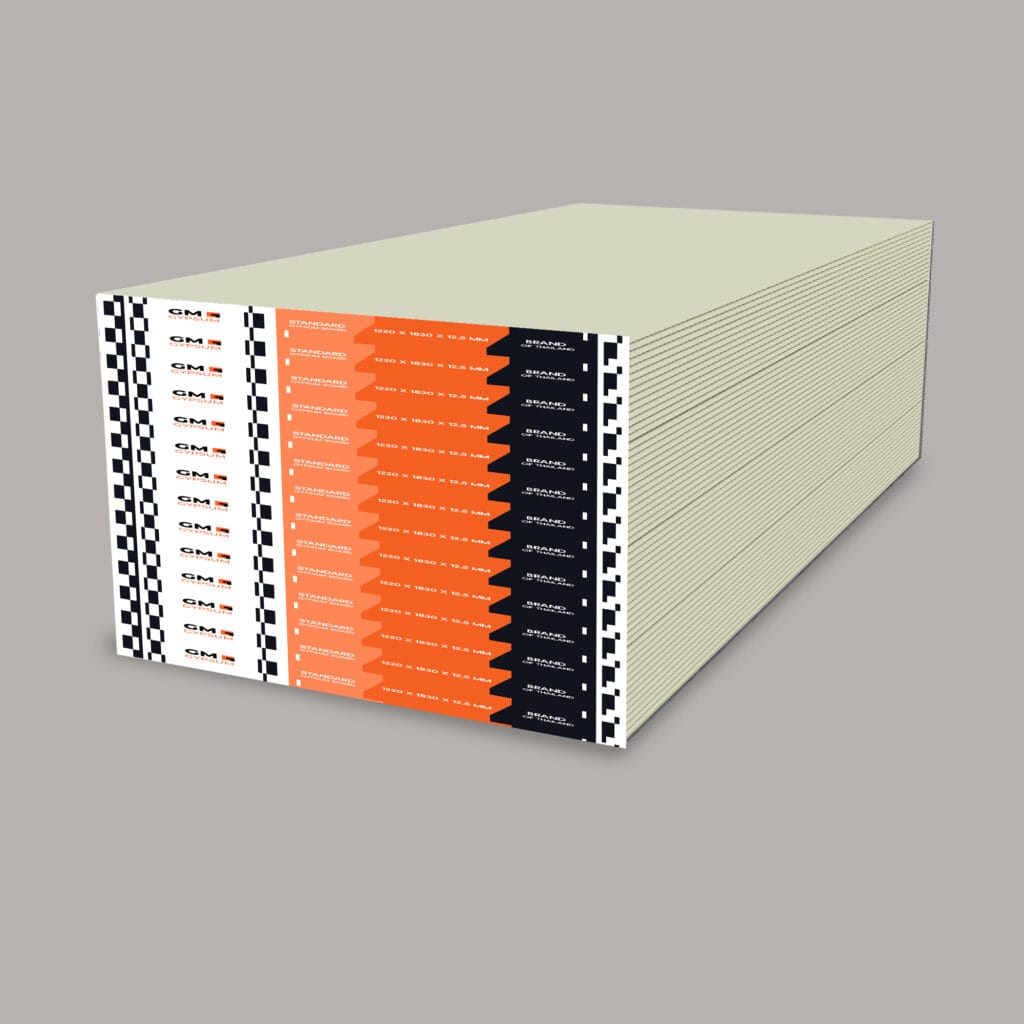
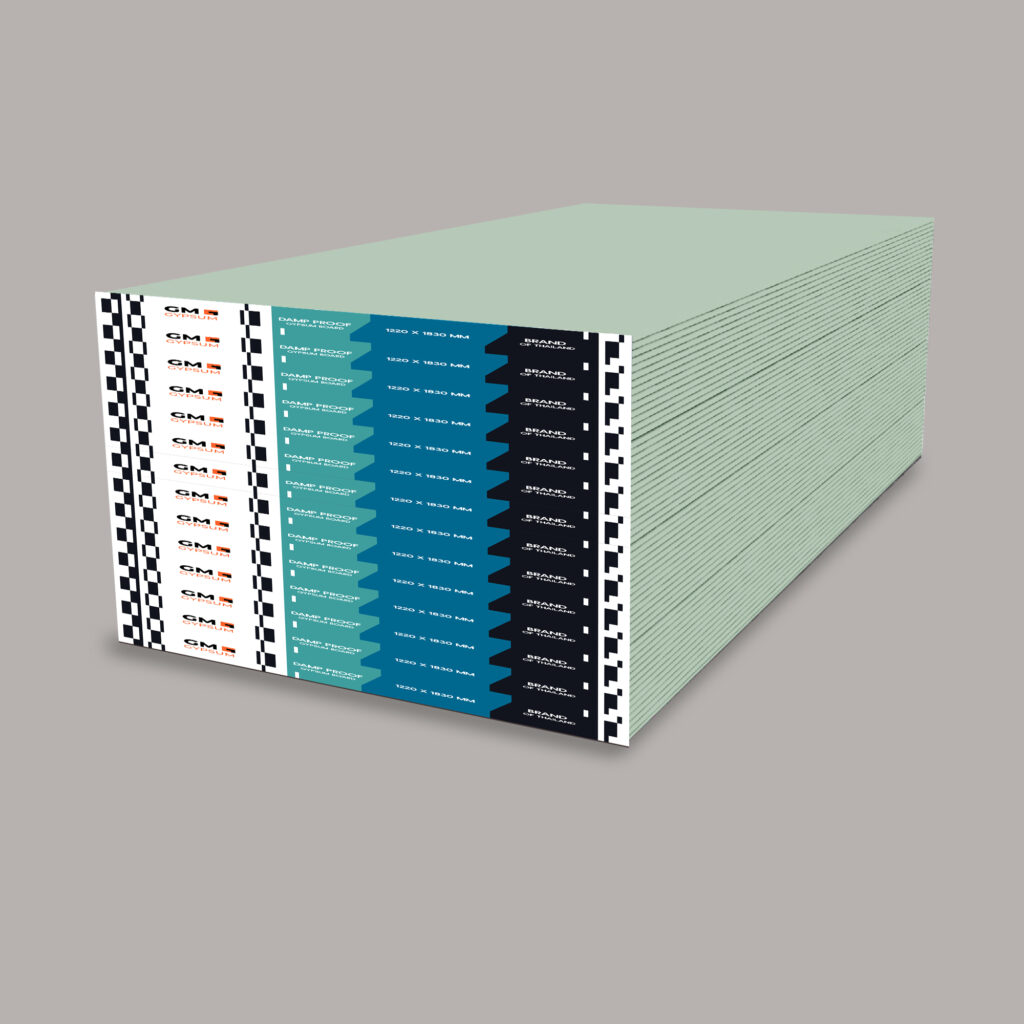
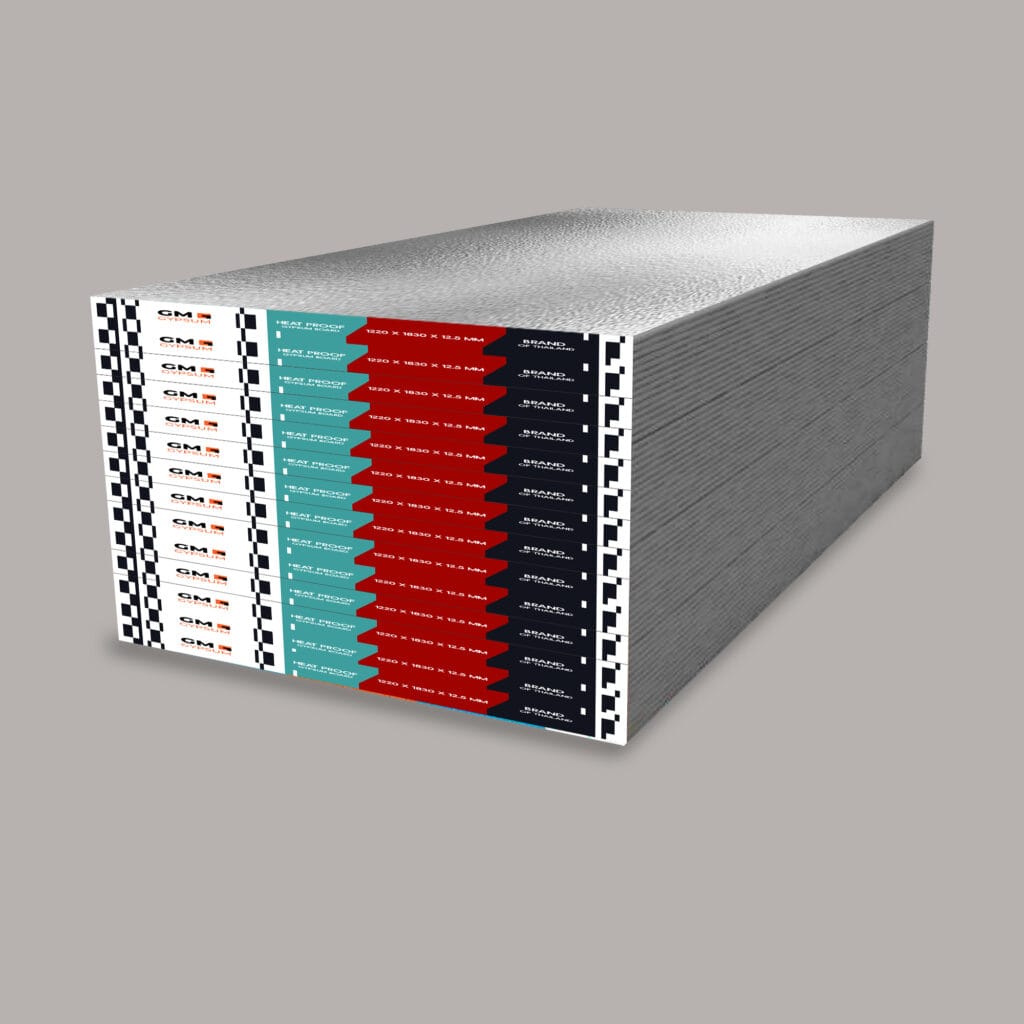
The Nepali market includes a mix of internationally certified imports and locally available stock. Among the certified imported options, GM Gypsum — manufactured to TIS 219-2009, British, American, and Australian/NZ standards — has recently become available in Nepal, distributed through Monika Group’s network (Monika Decoration Pvt. Ltd. and Monika Industries Pvt. Ltd.), alongside T-grids, metal profiles, fibre tape, and screws so you can source a complete ceiling system rather than piecing it together from multiple suppliers.
Gypsum Board vs. PVC Ceiling Panels
Gypsum isn’t the only option for ceilings and walls anymore. PVC panels — like the Silvora range of fluted and louver panels — are gaining ground in Nepal for spaces that need extra moisture resistance, faster installation, or a more decorative, textured look without painting. Gypsum board still wins for large flat ceilings and paint-ready finishes; PVC panels are worth considering for bathrooms, balconies, and feature walls.
"Frequently Asked Questions"
12mm is the most common choice for residential false ceilings — it balances strength and cost. 9mm works for lighter partition walls; 15mm suits commercial spans needing extra rigidity.
Standard gypsum board is not waterproof. For bathrooms, kitchens, or humid areas, choose moisture-resistant (MR) board specifically.
Total cost depends on board type, thickness, grid system, and labor rates in your area — get an itemized quote from your dealer covering board, grid, and installation separately so you can compare fairly.
Look for a distributor who can show certification documents and supply the full system (board, grid, tape, screws) rather than just loose sheets.